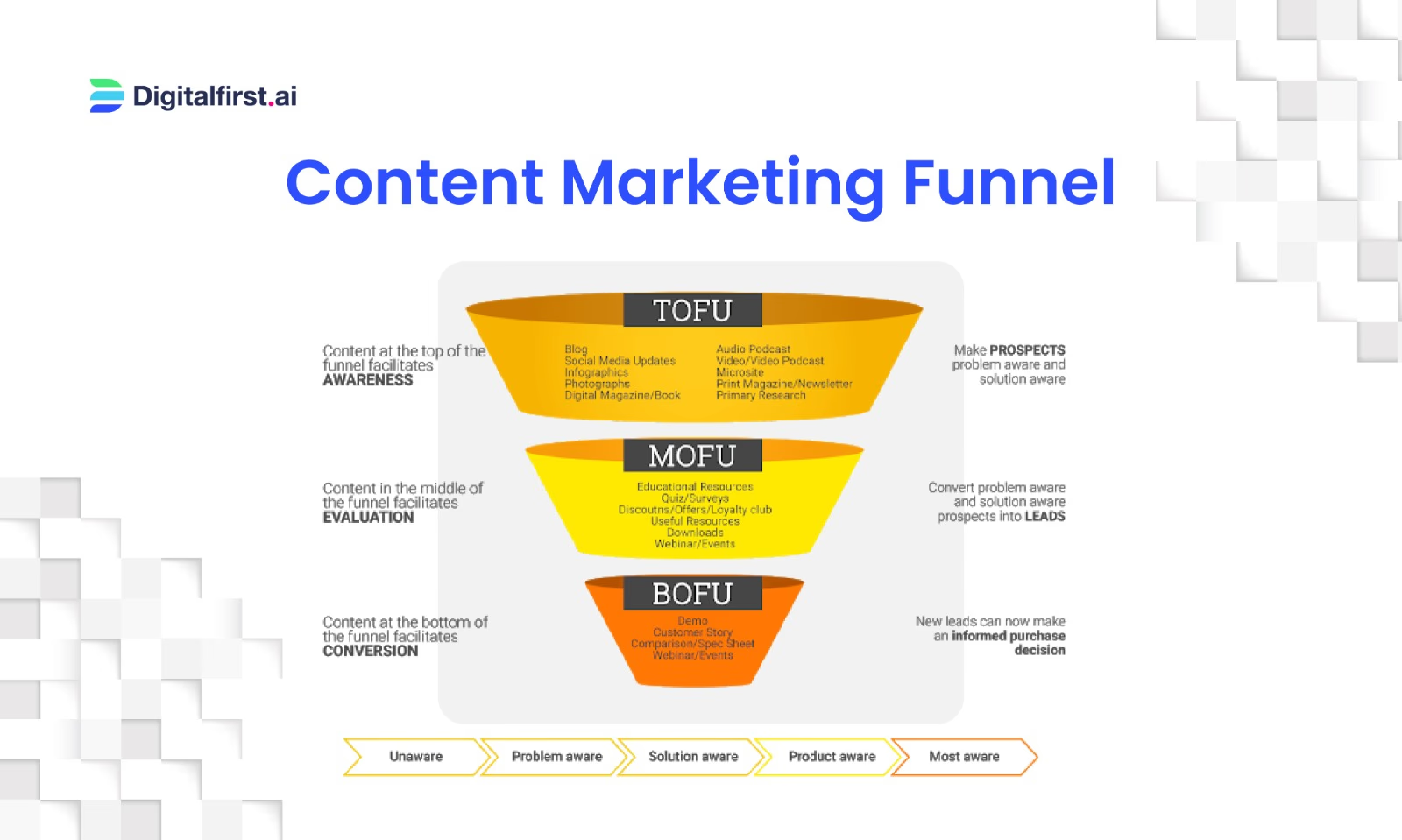
Many blogs get traffic but struggle to turn visitors into leads or customers. This post explains the content marketing funnel in clear, practical terms. It defines the main stages: awareness, consideration, and decision. The article shows what type of content fits each stage with concrete examples. Top‑of‑funnel content might include guides, checklists, and tutorials that build trust. Mid‑funnel content can be comparisons, case studies, and detailed how‑tos that address objections. Bottom‑funnel content often includes product pages, demos, pricing breakdowns, or FAQs. The post explains how to use lead magnets and email opt‑ins to capture interested visitors. It discusses simple email sequences that nurture subscribers with valuable content over time. The article explains how to map existing and planned blog posts to each funnel stage. It emphasizes that every piece of content should have a clear next step for the reader. The post concludes by showing how to measure success using metrics like leads, demos, and sales, not just pageviews. Readers will understand how a strategic blog can become a real growth channel rather than just an online diary.
Categories: Blog
Related Posts :-
-

Apple Noida opens to customers
Apple Noida opens to customers NOIDA, UTTAR PRADESH Apple today previewed…
-

Apple Manufacturing Academy launches virtual programming
With iPhone, there’s so much power contained in such a…
-

Nemotron 3: Nvidia’s Open-Weight Engine for the Next AI Wave
For most people, and it’s completely understandable, Nvidia is still…
Leave a Reply